
Photo Editing, Tutorials, Photography News, and More
This blog covers a range of topics from Lightroom, Photoshop, Capture One, Fujifilm, Canon, Nikon, iPhone Photography, and more. If you want to see more of my actual photography work, visit my Portfolio and Photo Journal blog.
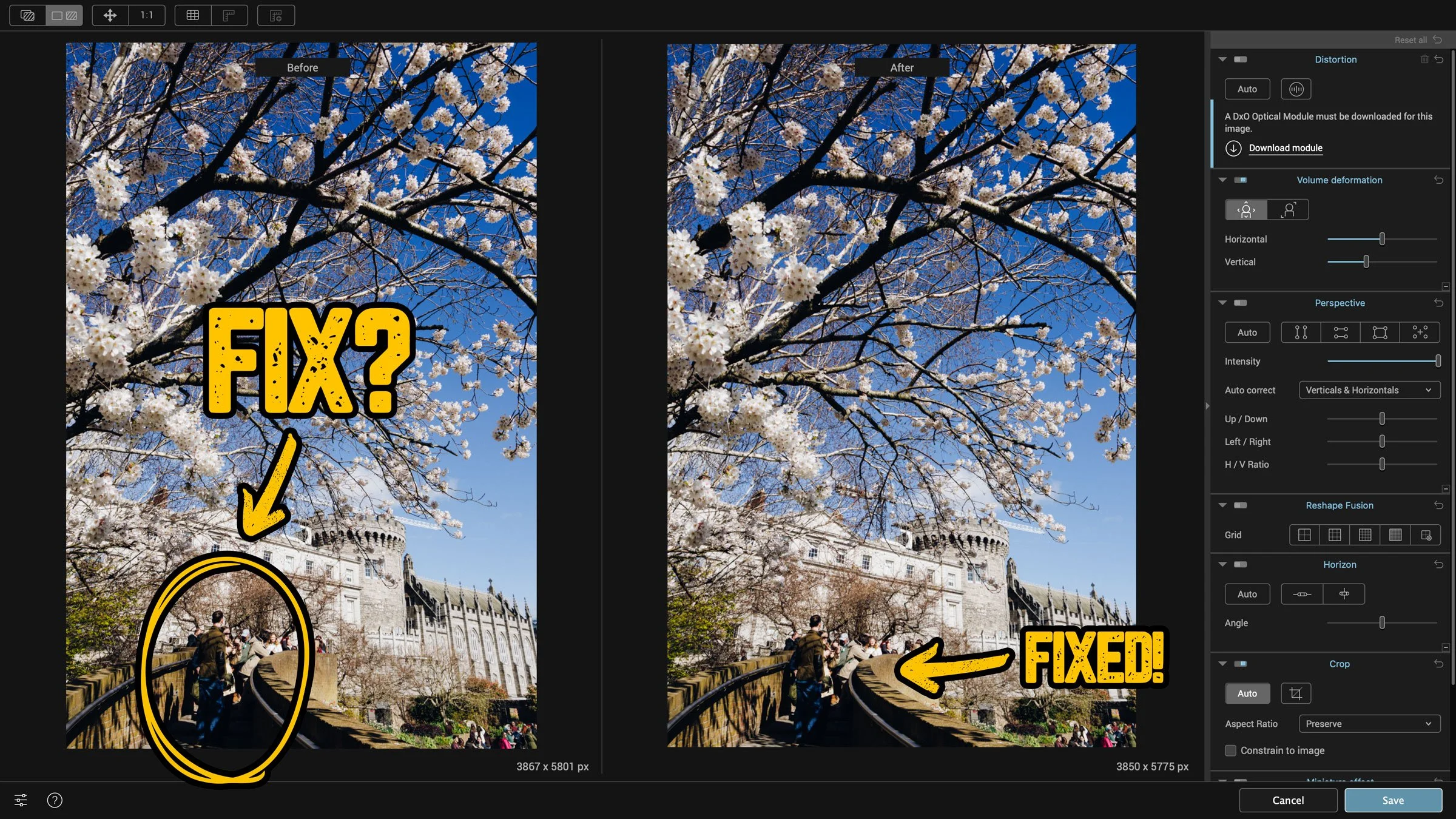
How to fix “Stretchy People” when shooting with a wide angle lens
This is one of those things that you might only ever come across once in the blue moon, but when you do, it’s useful to know how to fix it. If you’re shooting with a wide-angle lens, something like a 24mm or wider, and you have people at the edge of the frame, they can be distorted. This is especially true when shooting in portrait orientation and looking up. Like I said, this is a very specific situation, and it’s only by chance that I knew how to fix this.
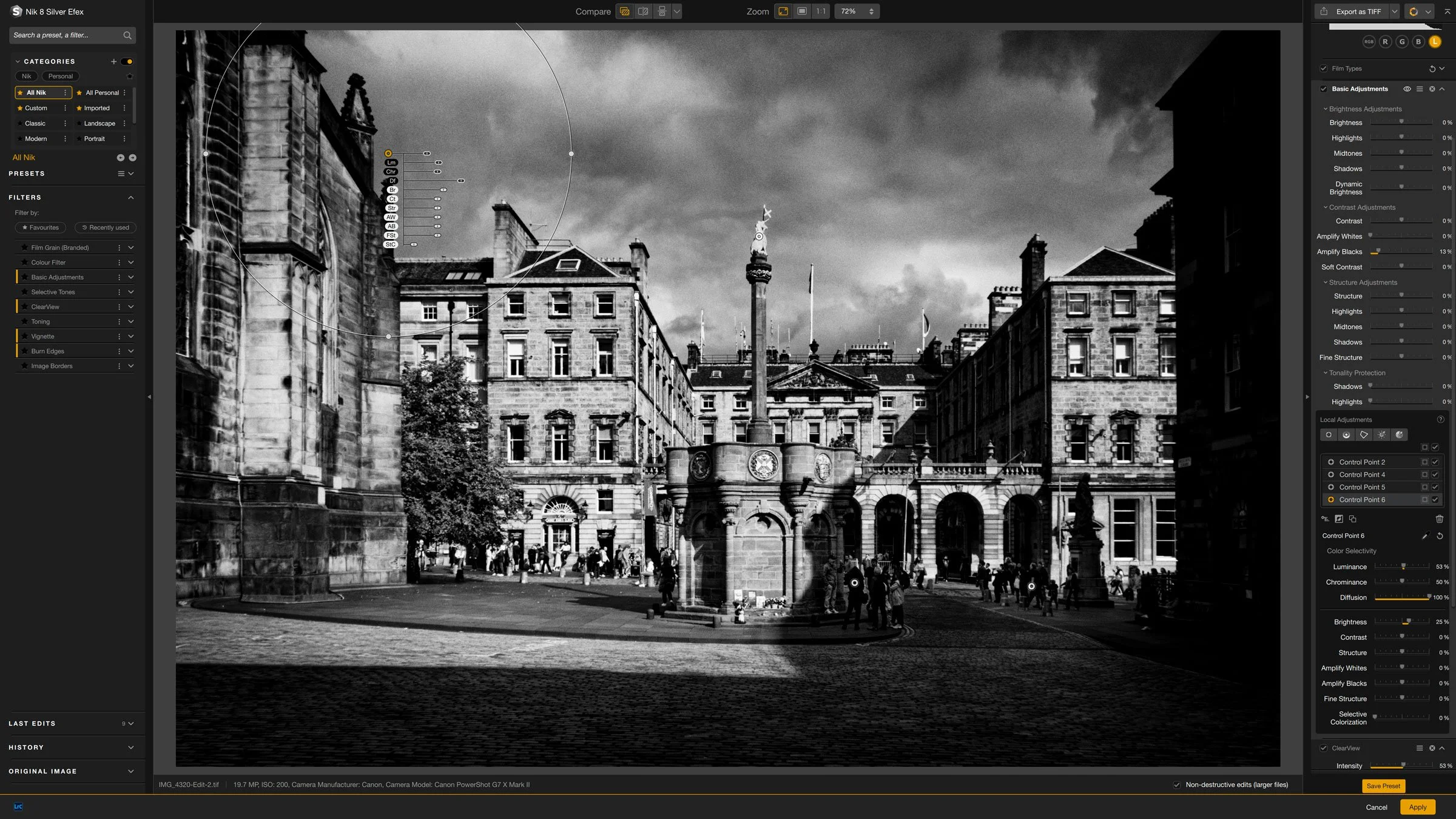
Some Quick Tips for Nik Silver Efex 8
Nik Silver Efex is one of the longest running Lightroom and Photoshop plug-ins out there, and I think it was one of the first plug-ins I ever bought. This was years ago before the suite was owned by DXO and even before they were owned by Google before that. In recent versions, some aspects of the software have changed quite a bit. As I haven’t covered it in quite a while, I thought I would share a few random tips for using the latest version.
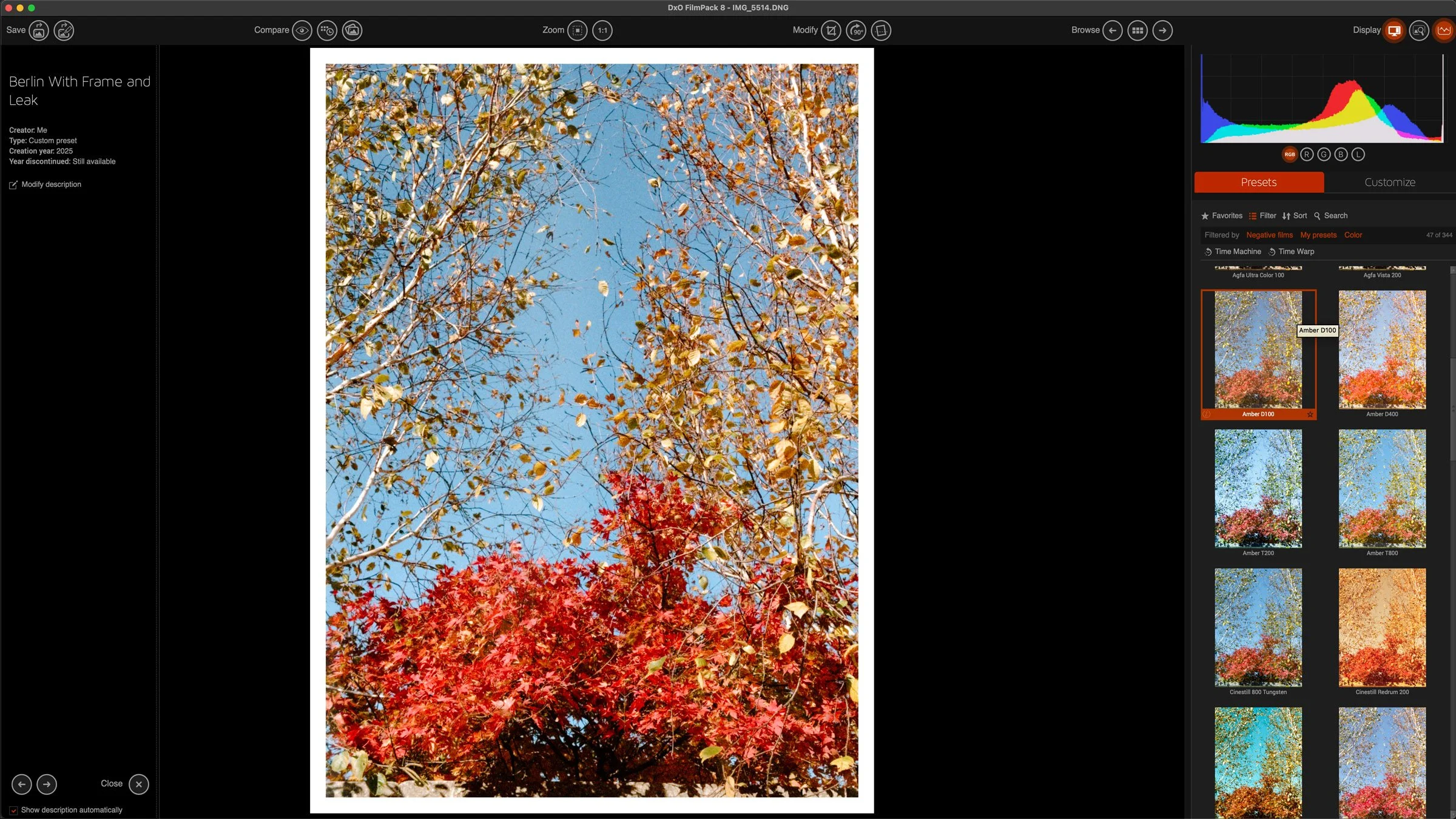
Processing iPhone ProRAW files in DXO Film Pack for a Compact Film Camera Look
I saw a video a while ago from someone who was talking about using a cheap plastic compact film camera as an everyday carry to record just general snapshots. While most of us use our phones for that, it is undoubtedly nice to have a more film like aesthetic. Unfortunately, both the cost of buying film and the cost of developing film has skyrocketed recently. So while this is a nice idea, it’s not really practical. I’ve spent the last while exploring alternatives, and trying various ways of getting his look without it being a huge effort. Recently I’ve been trying DXO film pack, because in the just announced version 8, you can now open Apple PRO Raw files, and this actually makes a big difference.
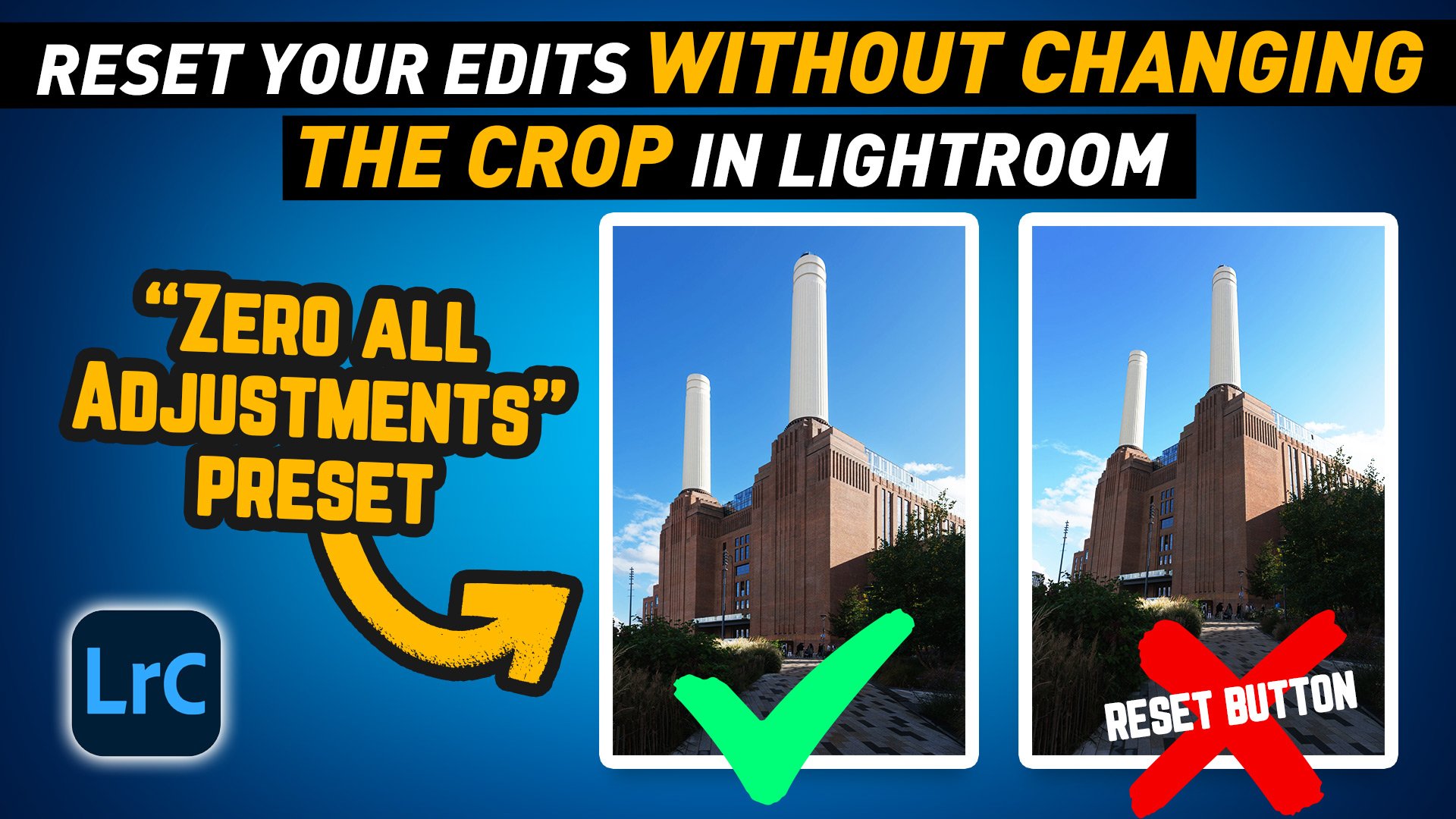
Lightroom Pro Tip: Quickly Reset Adjustments Without Losing Your Crop with a Zero All Preset
In this video I show you a handy workflow tip to make it easier to reset your adjustments in Lightroom without reseting your Crop or Geometry edits.

How to Extract Detail from an Image and Enhance Texture with DXO PureRAW 4
DXO Pure Raw is a very interesting application. It’s primary purpose is noise reduction, and if you’ve heard of the software, removing noise from an image is probably what you most associate with the software. However, with version 4 they opened up a very interesting alternative use of the application. By allowing you to change the way the algorithm works, you can actually turn the noise reduction down and the detail recovery up, and the result can be a pretty impressive level of detail recovery on the right kind of image. I’ve been trying this a lot recently, and when it works well, I’m really impressed by the results.

The Problem with Many Photo Editing Tutorials
Recently, I was trying to record a tutorial on editing landscape photography. In the end, I didn’t publish it because I felt that the edits I had done weren’t dramatic enough for people to watch. In fact, I even had that criticism about some of my editing tutorials before, that the edits I was making weren’t significant enough. This led me to realise the paradox of photo editing tutorials, especially on YouTube or other socially driven platforms. Unless you’re dramatically changing the image or doing extensive edits, people will find it “boring” and not watch or complain. But the reality is, in most cases, restraint will lead to better images.

Photoshop 2021 Sky Replacement Tool - Use Sky Replacement to Fix a Burnt Out Sky
One of the tools recently added to Photoshop was a new AI-based sky replacement feature. Similar to the headline feature in Luminar, it allows you to replace a sky without complex masking. While sky replacement has gotten something of a bad name recently, it can actually be useful for quickly fixing an otherwise problematic image. In this case, I use it to replace an overexposed sky with a similar one and salvage a photo with a minimal amount of work.

Making Something From Nothing: Fixing a Dull Photo & Why I use Different Tools
I finally managed to get out of our local virus induce containment this past weekend. We went for a walk by the sea, and while I brought my camera with me, I hadn’t really intended to take photos, so when I did, it was more of an off the cuff snapshot, than an intentional photo shoot. At first glance, the photos I took were pretty “throw away”, but after some playing around I managed to create a pretty good (in my opinion) image from something that started off as a dull and boring shot.

How to Pixel Peep Responsibly
The term “pixel peeping” is one of those loaded terms in photography. Like “chimping” it has become an insult used by photographers to cast shade on others. Also, like chimping, the “evils” of pixel peeping have been blown out of proportion. The actual act of viewing an image at 100% on a screen actually has some valuable merits; however, it’s also essential to understand its value and limitations.

Use Layers to Apply Noise Reduction to the Shadows in Capture One
No matter how good your camera is, or how good your technique is, there are times when you will want to reduce the noise in an image. In many cases the noise reduction in your chosen raw processing software will be enough, but using noise reduction is often a trade off between maintaining detail and suppressing noise in an image.
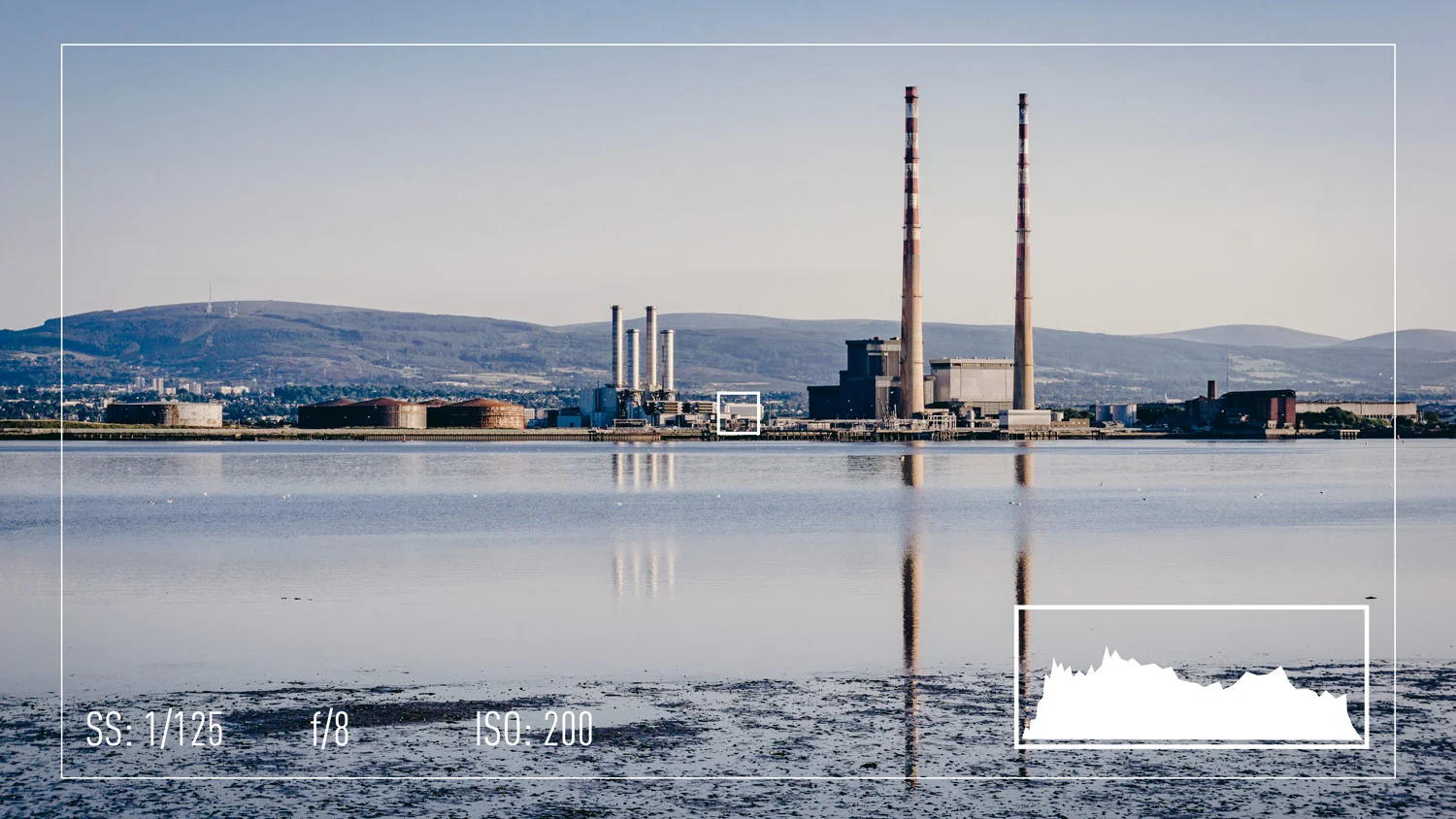
Why You Should Use a Histogram with an EVF on a Mirrorless Camera
I’ve seen a few posts lately complaining about new mirrorless cameras not exposing properly compared to what the user is seeing in the EVF. It seems that in a few instances, people are judging exposure purely by what they’re seeing in the viewfinder. Even if you are also using the included light meter, you may still see a different result when looking at images later on your computer. I call this the EVF effect, and if you’re shooting mirrorless, it’s something you need to be aware of.