All in Apple

Apple Finally Kills the Mac Pro. A Farewell to an old friend and a look to the Future.

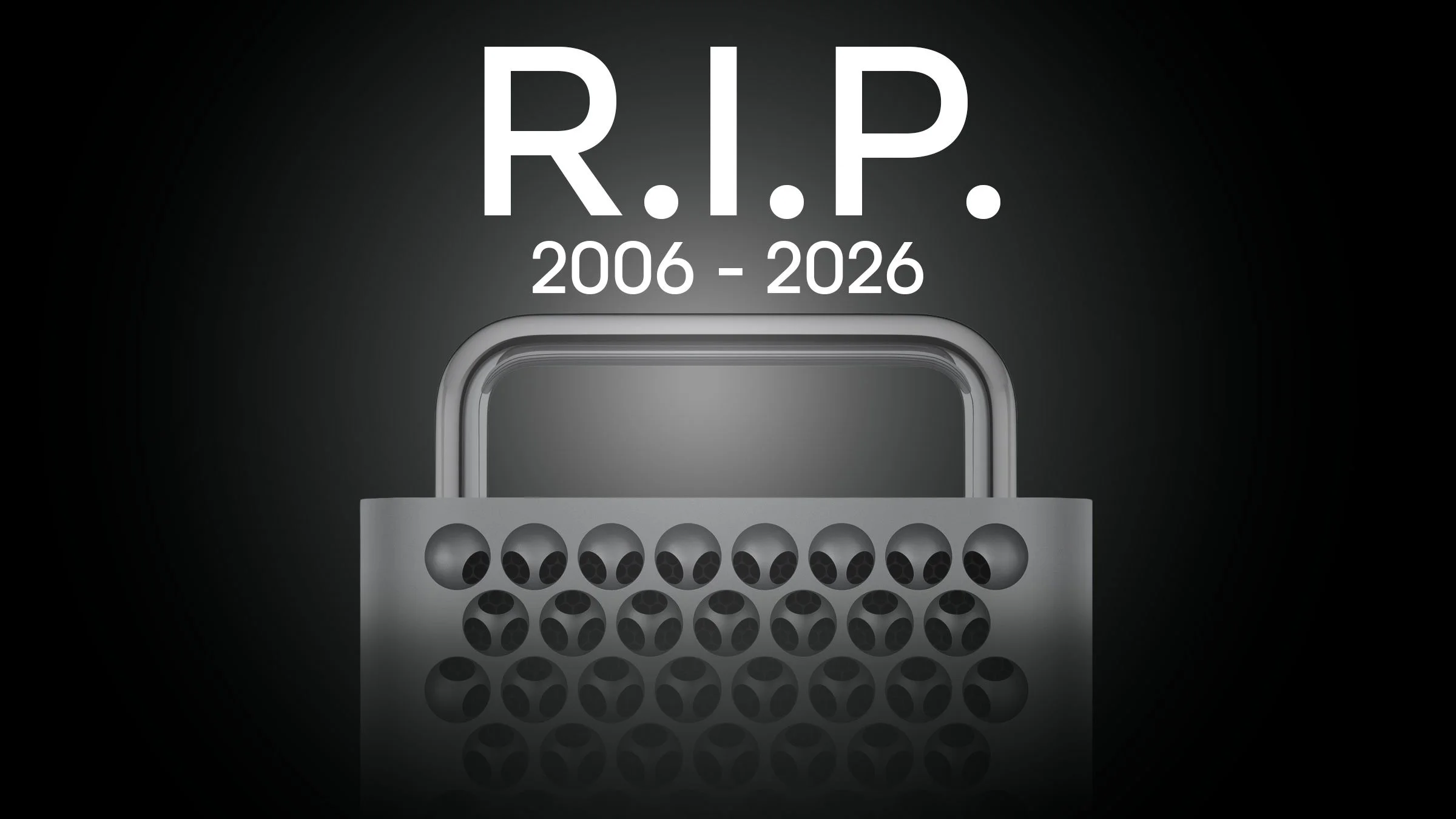
It’s long been rumoured, threatened, and fantasised about, but Apple has finally put the Mac Pro out to pasture. While many people will either be unmoved by this or actually think that this is a good thing, personally I am a little sad by the retirement. As someone who has used Mac Pros, and their predecessor, the Power Mac, for decades, it really does feel like the end of an era. And, while I still think Apple could have done much more with the high-end Mac, I also understand that its time had come. It’s still sad, though.
Apple Creator Studio Review: the Good, the Bad and the Weird.

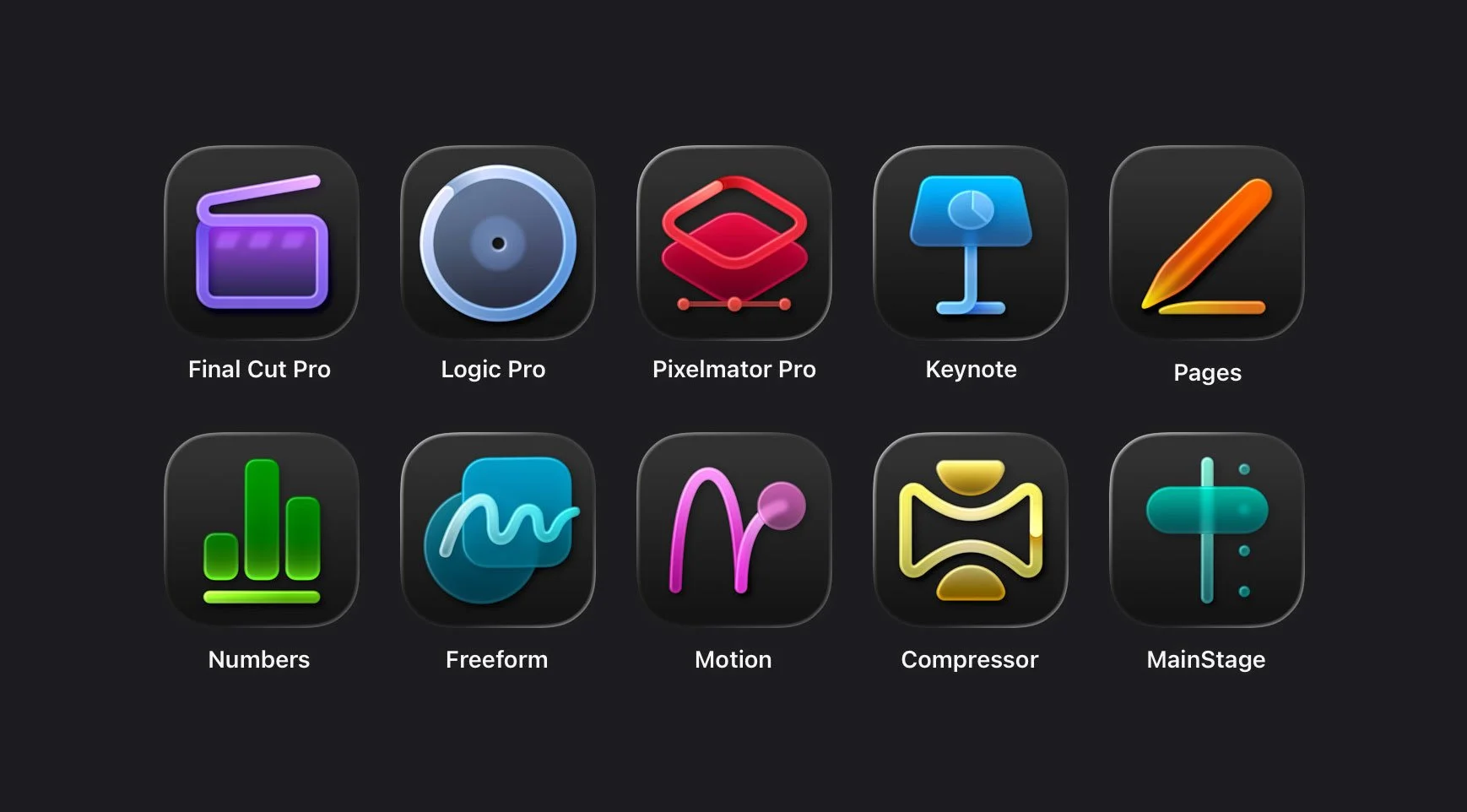
A few weeks after the initial excitement of the announcement, Apple’s new “Creator Studio” bundle is finally available. Now that I’ve had a chance to take it for a test drive, I wanted to write about the experience. I’m not going to go into every detail on all the new features, but instead I wanted to take a look at the bigger picture here, and what this might mean going forward. Because, while this bundle does offer great value if you don’t have any of the apps already, there are a lot of questions and a few issues with the new bundle and how it was released.

(I’ve published this on my Medium blog as it’s not entirely about Photography.)

Apple Launches “Creator Studio”, A Subscription Bundle of its Creative Apps

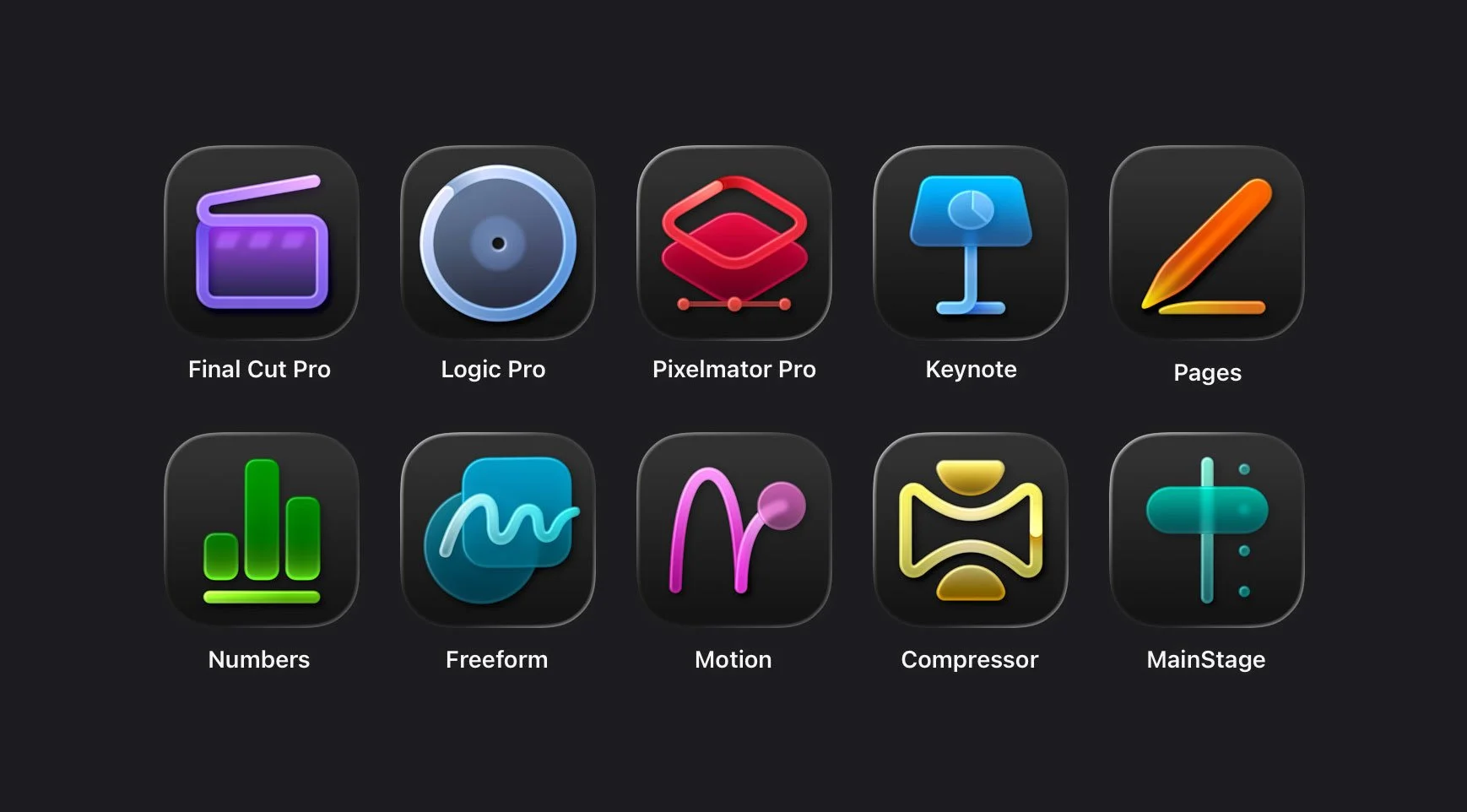
Apple has just launched a new subscription bundle of creative applications for a pretty low price of $12.99 a month, or $129 a year. Called “Creator Studio”, the bundle includes Final Cut Pro, Logic Pro, Motion, Compressor, and Pixelmator Pro. Weirdly though, it also includes Pages, Keynote and Numbers, which are already free. The value of Final Cut Pro and Logic Pro combined would be about $600, so the subscription price is pretty good.

Processing iPhone ProRAW files in DXO Film Pack for a Compact Film Camera Look

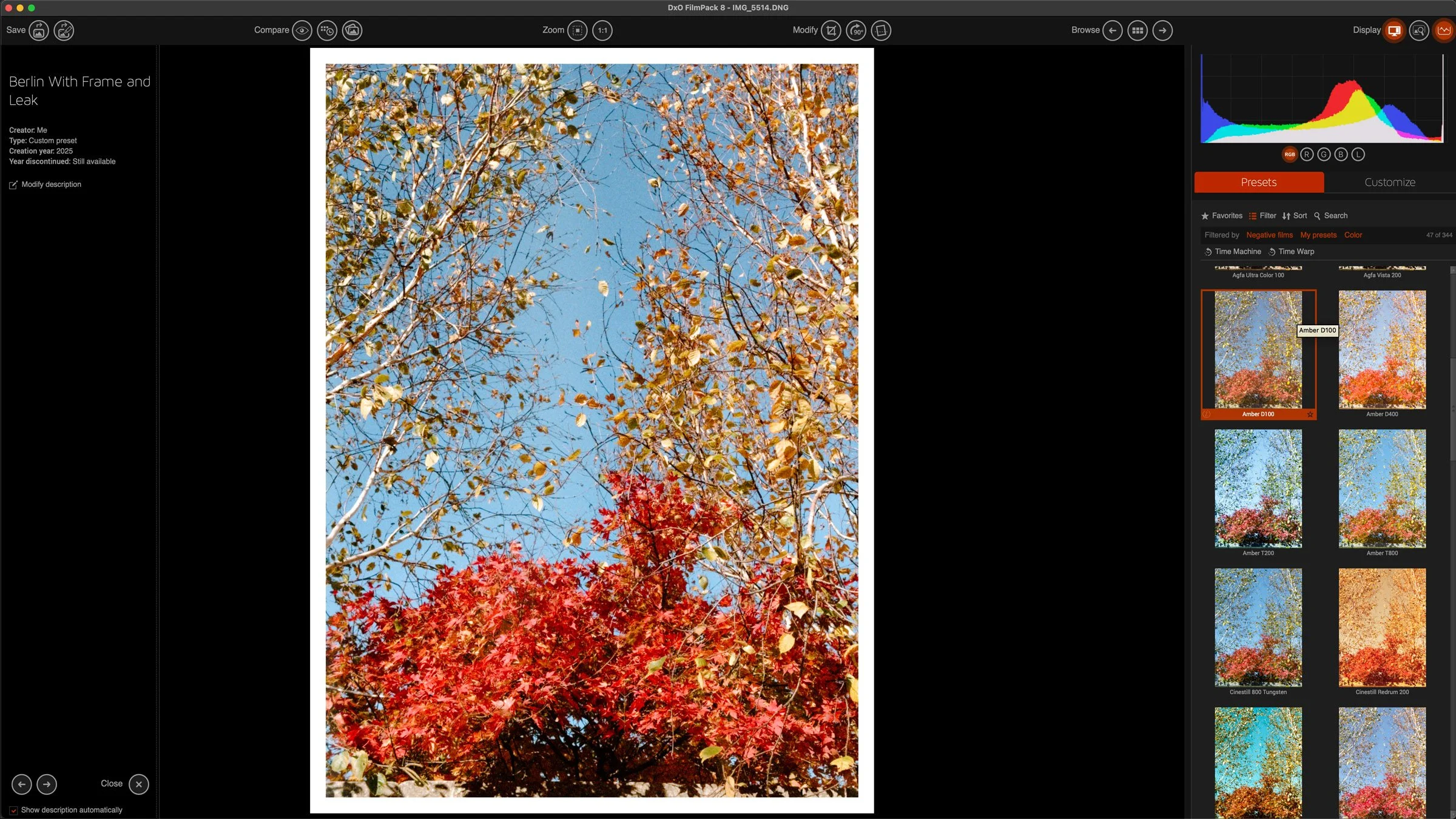
I saw a video a while ago from someone who was talking about using a cheap plastic compact film camera as an everyday carry to record just general snapshots. While most of us use our phones for that, it is undoubtedly nice to have a more film like aesthetic. Unfortunately, both the cost of buying film and the cost of developing film has skyrocketed recently. So while this is a nice idea, it’s not really practical. I’ve spent the last while exploring alternatives, and trying various ways of getting his look without it being a huge effort. Recently I’ve been trying DXO film pack, because in the just announced version 8, you can now open Apple PRO Raw files, and this actually makes a big difference.

Thoughts on Liquid Glass from a creative's perspective. MacOS 26 and iPad0S 26 interface design review

With Apple’s latest round of operating systems having now been released, I thought I would take a little time to share my thoughts on the big redesign that Apple announced back at WWDC. I know this isn’t technically about photography, and I’m posting it on my photography blog, but as enough of my readers use Macs I figured you wouldn’t mind!

The One Time I did an April Fools' Joke (And An Ode To Apple’s Aperture)

I think I can safely say that the internet and social media has made April Fool’s Day one of the most hated days of the year. Every time it rolls around, we have to put up with a deluge of stupid jokes and a few that are good enough to be fooled by. Then there’s the actual news that you just assume is a Jobe because it’s so out there. Yes, a fun time is had by all. Not. I only partook in this ritual once and something happened today that made me think of it, but more on that in a minute. It was years ago, and it was on my old “Aperture Blog” blog. It was towards the end of Aperture before it was discontinued, and I put out a fake screenshot that I made in Photoshop and claimed that Apple had finally released Aperture X. I didn’t think anyone would fall for it as it was so obviously a joke. I was wrong.

How a Strange Mac Bug Took Up a Ridiculous Amount of My Time

I had all these plans for a series of posts on the blog last week, and even a video I wanted to shoot, but instead I ended up spending an inordinate amount of time chasing down a bizarre Mac bug. It seems to have resolved, but the cause still eludes me. It started with a Lightroom crash, and ended up leading to a complete puzzle that plagued both my Mac Studio and my MacBook Pro. It involved several calls to Apple and even baffled them. This might not sound like a riveting read, but it’s actually a curious tale and I learned a few things along the way.

The three key improvements Apple needs to make to Photomator in order to compete with Lightroom.

Ever since it was announced that Apple was buying Pixelmator, I’ve been kind of obsessed with PhotoMator, the company’s Lightroom competitor. I actually had the software on my iPad for a long time but I never really used it that much. However, since the acquisition was announced I’ve been trying it more and more on my Mac, and I have to say it’s a really interesting application. It has some really nice features and its incredibly fast and responsive. Unfortunately, it is lacking some keys features which currently hold it back. Some of these you can work around but others are more problematic. But in my opinion it really has potential. In this post I’ll look at what you can do now to get around the shortcomings, and what Apple really needs to do to make the software more competitive.

Apple Buys Pixelmator

I’m a little late with this one, but in case you missed it, Apple has bought the popular Mac and iPadOS photography app, Pixelmator. Or more to the point, they bought the company that makes Pixelmator. This could be a big deal, depending on what Apple ends up doing with the company and its software. It immediately gives Apple a missing piece of its professional apps puzzle that it’s been lacking ever since the company killed Aperture: a more pro level photo application.

Well, almost.

Apple really puts the "Pro" in the iPhone Pro (With the iPhone 16 Pro)

A few days ago Apple held its annual iPhone event where they launched the iPhone 16 and 16 pro line, and after trying not to fall asleep after they rehashed the Apple Intelligence stuff from WWDC, I was pleasantly surprised by the new iPhone 16 Pro and Pro Max. Strangely though, after the event people on social media were complaining that there wasn’t a real difference between the pro and the normal models. To which I thought: “Were they even watching the same keynote I was?” Because when I watched that segment I thought to myself, this is the most “pro” pro phone Apple has ever released. In fact, I’d go so far as to say, it’s only really now the Pro iPhone has fully earned the “Pro” name.

They’re Wrong - 5 Reasons The Mac Studio is a good for Photographers

Since the Mac studio was released by Apple a few weeks ago, we’ve seen lots of enthusiasm around the product from many creative professionals. However, we’ve also seen the obligatory round of “You don’t need it” posts from people about why the Mac Studio is “too much computer” for many folks. This has been particularly prevalent in the photographic community, with some prominent pundits in articular lecturing their readers as to why they shouldn’t get the Mac Studio for photography.

Why I think the new Mac Studio is the perfect Creator's Mac - Thoughts on the New Mac Studio and M1 Ultra Chip

I don’t think I’ve ever been as excited about an Apple announcement as I was this week after Apple’s March 2022 event. And all that excitement comes form just one part of the presentation: the announcement of the Mac Studio. For me, the Mac Studio is the ultimate Mac for what I do, and it is something I think many creators like myself have wanted for a long time.

Raw Power 3.0

Gentlemen coders recently released Raw Power Version 3.0. I've been interested in this application for a while, and I've been following its development. Raw Power is a Raw editing application that lets you take advantage of the capabilities of Apple's RAW engine, that is otherwise unavailable to the user. It's not perfect by any means, but with each release, they've added more and more capabilities. Version 3 adds a fascinating new ability if you're running it on Catalina, and if you're an Apple Photos user looking to get more power out of your RAW files, then this might be a solution for you. Read on to find out more.

Get Aperture to run on MacOS Catalina with this hack!

There are still people using Apple’s long discontinued Aperture app, and as an early proponent of this application, I can understand why. Despite all the competition out there, there are still things that Aperture did better than most of the current applications. When Catalina was recently launched, it spelled the end for Aperture, as the software would no longer run on the new operating system. However, a clever programmer has come up with a solution.

Video: How to import into Lightroom directly from a Memory Card on iPAD OS

One of the new features of iPadOS that was announced was the ability to import images directly into apps from attached storage, without having to go through the camera roll. Unfortunately not many apps have been updated to take advantage of this yet, including Lightroom. However, there is a pretty simple work around and in this video I show you what to do.

Two Ways to Automatically Send Images from Lightroom (or Capture One) into Apple Photos

If you’re on a Mac and you want to send your finished images from Lightroom (or Capture One) to Apple Photos, to sync to your devices for example, then you can do it manually by exporting from one application and importing into the other. This can be a bit tedious, but there are also some ways you can automate the process. This involves exporting to a folder in the finder from Lightroom or capture One, and having that automatically import into Photos.